Photo Credit: Spotify
AI generated covers of famous songs from fake bands are flooding Spotify. IP owner approval isn’t necessarily needed for AI generated music and granted automatically for most cover songs—leading to hundreds of fake bands on Spotify with AI covers.
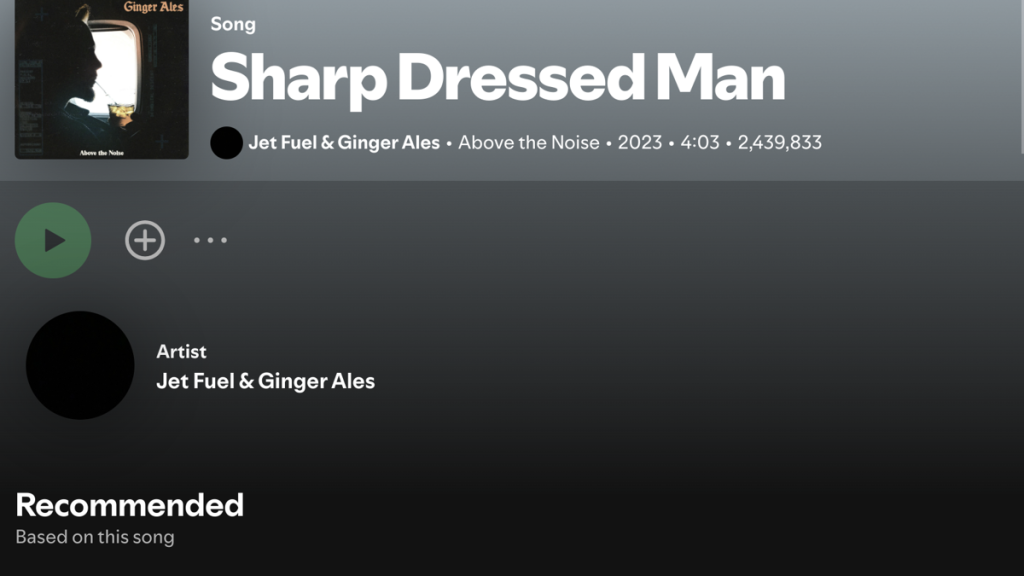
Covers of popular songs are now being added to existing playlists featuring songs from real artists — with fake artist names and covers to make them seem more legit. With playlist names like “Country Time Summer Vibes” and artist titles like Jet Fuel & Ginger Ales, Savage Sons, Gutter Grinders, and Grunge Growlers, it’s enough to slip under the radar while minting serious per-stream cash.
So how is this all working? Let’s break this down.
A number of music AI shops now appear to be using generative AI models (like Suno and Udio) with a license for commercial use to create over versions of copyrighted songs. Longtime Spotify users have encountered lots of covers in the past, with many almost unlistenable. Now, that process is ‘on steroids’ thanks to AI, with the quality quotient also potentially improving.
A lot of this is possible because of how music licensing works in the US and many other countries — with compulsory licenses allowing covers as long as specific royalties are accounted for and paid out. Other rules and stipulations apply, but the short version is that if the songwriter and publisher royalties are paid on the AI generated cover work, then technically no law has been broken.
But there’s also an illegal version to this game plan.
With the explosion of AI generated covers, it’s clear Spotify is lacking the resources or department to handle these kinds of use cases. Bad actors can obfuscate their identity by using anonymous artist names or copyrighted LLCs, allowing them to claim the mechanical and public performance rights for their AI generated covers, while attempting to bypass the traditional licensing requirements and fees owed to the original songwriters.
The bad actor engaging in creating AI generated covers can rack up millions of plays and substantial royalties through the unauthorized cover versions. Original songwriters must work with Spotify to have the infringing content removed if royalties aren’t being remitted or recordings are being infringed. But this is like playing whack-a-mole.
It’s also unclear how these songwriters can take legal action if the bad actor’s identity remains hidden. Songwriters must appeal to the DSP to delist infringing content until courts can rule on the legitimacy of the allegations or an agreement between the two parties.
Bad actors may claim that since they have licensed their generative AI model for commercial purpose, they are entitled to bypass licensing requirements as they own the rights to whatever the genAI model creates via its license. It’s a potentially unlawful attempt to exploit a legal grey area, as AI model licensing typically does not grant the rights to use a copyrighted musical work (indeed, that last point is now being litigated in contentious lawsuits like Concord vs. Anthropic, which DMN is covering closely).
Now, the use of genAI to create covers is moving into unprecedented territory.
Case in point: here’s a crop of cover material that debuted on Spotify in 2023. They’ve all blocked comments on the YouTube versions of their music and are focused on racking up plays while avoiding the spotlight.
- Gutter Grinders — (“Fast Car,” “1979,” “Listen to the Music,” “Go Your Own Way”)
- Savage Sons — (“Don’t Stop Believin’,” “Every Breath You Take,” “Mississippi Queen,” “Old Time Rock & Roll”)
- Jet Fuel & Ginger Ales — (“Under the Bridge,” “Linger,” “Carry on My Wayward Son,” “Sharp Dressed Man”)
- Grunge Growlers — (“Creep,” “Fly Away,” “Smells Like Teen Spirit,” “Like A Stone”)
And that’s just scratching the surface — time for a rules change? Or better yet, a major label-led demand to clamp down on copycats?
More as this develops.