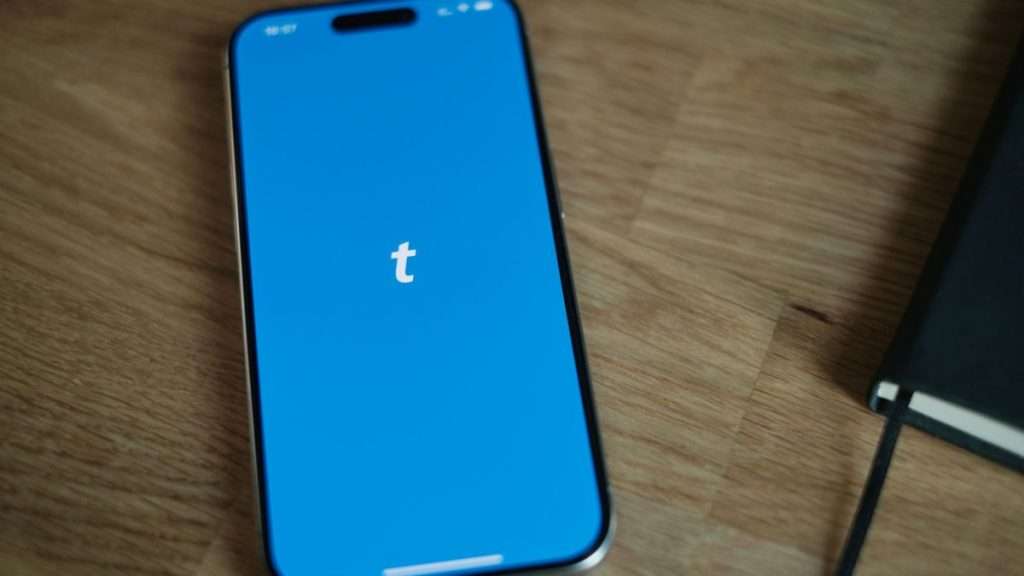
Photo Credit: AppsHunter
Following scrutiny from the Federal Trade Commission (FTC) over allowing ticket brokers to run rampant with bots on its platform, Ticketmaster has announced major policy changes. In a letter to lawmakers, Ticketmaster says it will limit broker accounts and will shut down its controversial TradeDesk platform.
The changes Ticketmaster plans to make were detailed in a 10-page letter sent to U.S. Senators Marsha Blackburn (R-TN) and Ben Ray Luján (D-NM). The changes come as the FTC filed a lawsuit against Ticketmaster, joined by seven state Attorneys General, accusing Ticketmaster and Live Nation of BOTS Act violations and anti-competitive behavior.
Live Nation executive Daniel Wall argues in this letter that the FTC lawsuit “presents a distorted view of the facts and the law.” The letter maintains that Ticketmaster has done more than anyone else to combat ticket scalping and fraud. But its worth mentioning that Canadian journalists discovered Ticketmaster’s promotion of ticket scalping to professional ticket brokers in 2018—a product which was later introduced as TradeDesk.
Walls argues that the FTC’s claim that Ticketmaster coordinates with ticket brokers is “categorically false.” But journalists from the Canadian Broadcasting Corporation (CBC) and the Toronto Star uncovered that collusion back in 2018. Journalists attended the Ticket Summit 2018 in Las Vegas, where they secretly recorded Ticketmaster representatives pitching their resale platform TradeDesk.
TradeDesk allows professional ticket brokers to manage large-scale inventories and re-list tickets bought from Ticketmaster at inflated prices. Ticketmaster then takes a cut from the resale, meaning the company can double or even triple dip on resold tickets through fees. The CBC investigation included video of a Ticketmaster employee admitting the company’s “buyer abuse” division did not police brokers despite their use of fake identities and hundreds of accounts.
That investigation also obtained Ticketmaster internal documents, including a reseller handbook outlining a reward system for high-volume ticket scalpers. The handbook promised fee reductions for brokers with annual sales over $500,000—effectively incentivizing ticket resale activity at a massive scale. At the time, Ticketmaster issued a statement denying any wrongdoing. Yet the company is under fire in the United States more than seven years later for the same practices.
Ticketmaster argues that its resale platform should not face the bulk of scrutiny when secondary marketplaces like StubHub, SeatGeek, and Vivid Seats rely on resellers for 80-100% of their ticket inventory. With the increased scrutiny, Ticketmaster says it will be removing TradeDesk’s concert ticket management functionality to “avoid reputational harm.”
Ticketmaster will now limit every entity—including professional resellers—to a single verified account. Resale accounts will not require a unique taxpayer ID and excess accounts will be canceled. Ticketmaster argues that this practice is a hold-over from physical ticketing days and that it was not complicit in allowing brokers to bypass its own terms of service.
“The FTC’s case is based on a fundamentally novel and expansionist view of the BOTS Act,” Wall writes. Wall says only those who use or control software to circumvent security measures—not brokers with multiple accounts—can violate the BOTs Act. But Digital Music News has documented how these ticket brokers operate and the software they use, which absolutely does violate the BOTS Act. Using custom-built browsers with VPNs and services to create virtual credit cards to buy tranches of tickets, these brokers often buy up arena shows before the general on-sale.
Of course, the National Independent Venue Association (NIVA) sees through the tactics intended to exonerate Live Nation and Ticketmaster’s impact on the reseller market. “Live Nation’s ‘actions’ on resale detailed in a letter to Congress are too little too late to get back the trust of fans, artists, and stages,” the organization states. “They apparently got caught opening their systems to predatory resellers, which is a betrayal of fans and artists.”
“This looks like an attempt to clean up their devastated public image following the FTC’s BOTS Act and deceptive practices case against them. Based on that suit and this letter, we have seen clear evidence that Live Nation and Ticketmaster are in bed with scalpers and resale platforms like StubHub and Vivid Seats benefit from it.”